LEARNING CENTRE / BLOGS

Understanding Your Child’s Communication: What’s Typical and When to Pause

Dr. Sarah CollinsPublished on 10 JANUARY, 202611 MIN READ

The birth of a baby and its development is a fascinating process. It's cute and magical to witness all their firsts. First cry, first smile, first blabber, first word, all composed to form a constellation. Among all these developments, speech and the formation of words is special. Talking and calling out “maama and daada” for the first time is something magical and emotional.

Speech development in children happens during certain stages in their life. From blabbing to forming clear and confident sentences, the journey is a wide ride. During that journey some might feel so easy but some face difficulties.

Understanding Your Child’s Communication: What’s Typical and When to Pause

Child Is A Mystery Box

Unwrapping the mystery behind each child is quite surprising. For instance: A child who is sleeping, but when a sudden sound or a music plays, it starts dancing or it makes reactions. This instance depends on each child where each reacts in different ways, some may cry, some may laugh, some may dance, and some don't have any reaction, that is also normal.

Pause And Get Them Enough Time

Pausing and giving them time to respond is what is the duty of a parent. A child who doesn't want to talk much, asks them questions, why, what and when things, in order to make them reply.

Some parents are so afraid about their child’s development. As there are certain criteria for the development of speech, if a child is a little late to make it, that creates tension in parents. But the problem and the solution behind the thing is the parents itself. Get your child enough time to respond, if they are a little late, give them a hand and support them while speaking.

If the child wishes to say something but is trying hard to express it, appreciate their effort and ask them to say it again in a gentle way. That makes them super confident and puts more effort on it.

When To Pause Seriously

Some things have to be taken seriously. Even after constant support, guidance, care and love, if the child does not repeat, react, or respond back, it is a matter of professional support.

For instances:

  • When the child doesn't care about what’s happening around it
  • When the child doesn't make any reactions to anything
  • When the child has not blabbered till 18 month
  • When the child never maintain eye contact
  • When the child never tries to speak sentences after 3 years
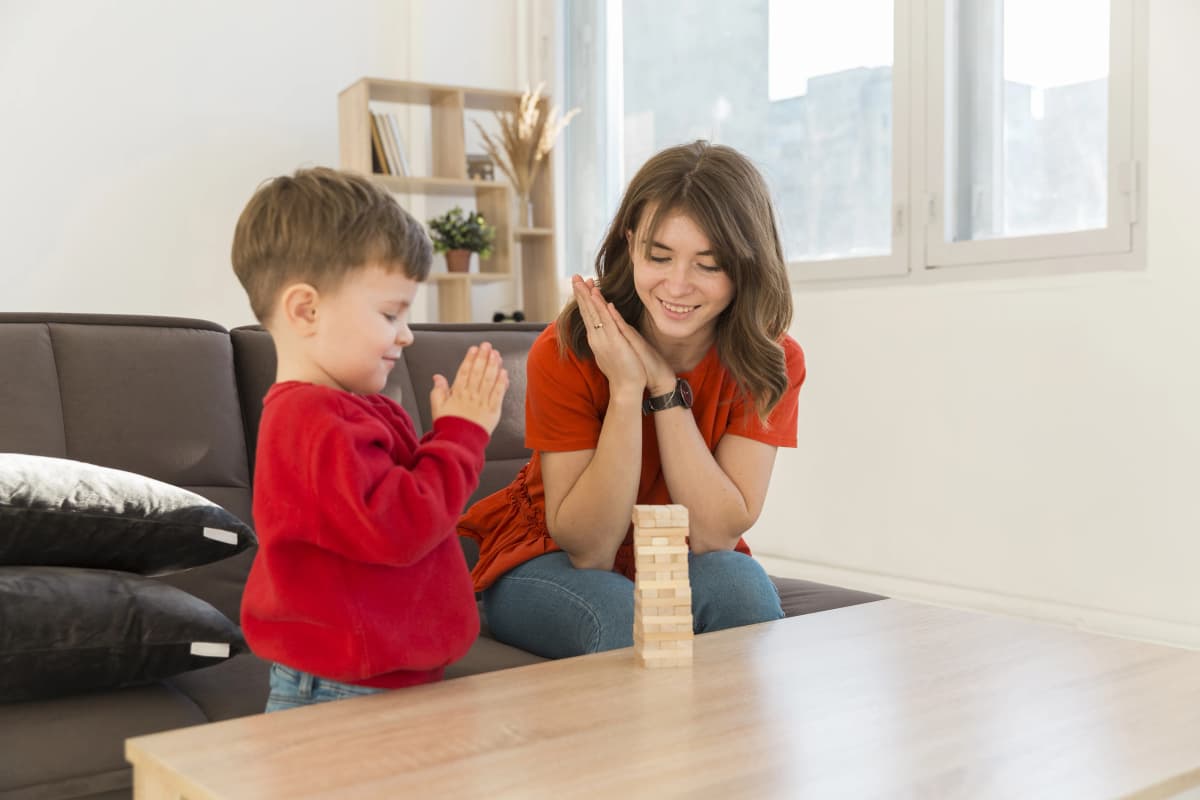
These situations are a matter of concern, where proper professional speech guidance and support is needed.

Just Keep This Mind

Every child has a way, they are unique to one another.

Let them speak, give them the chance to express themselves. A single smile is also an act of engagement.

But don't hesitate to take them to a professional therapist even after several tries.

Let them speak and express with confidence.

Featured Articles

Load More
Small Everyday Habits That Help Children Communicate Better

COMMUNICATION HEALTH12 MIN READ

Small Everyday Habits That Help Children Communicate Better

2 JANUARY, 2026

How a Child’s Environment Shapes Communication Growth

LIFESTYLE9 MIN READ

How a Child’s Environment Shapes Communication Growth

15 JANUARY, 2026

How Online Speech Therapy Helps Your Child Thrive

CHILD DEVELOPMENT14 MIN READ

How Online Speech Therapy Helps Your Child Thrive

5 JANUARY, 2026

vector

Let’s Work Together to Support
Your Child’s Communication

Online speech therapy supported by a dedicated clinical psychologist(TSM), live sessions, and guided practice at home.

Purple online speech,
Bangalore

Logo

Your child’s trusted partner in communication, with ongoing guidance for families.

©2025 Purple Hearts. All rights reserved.Developed by Code Publicist